November 9, 2013
November 8, 2013
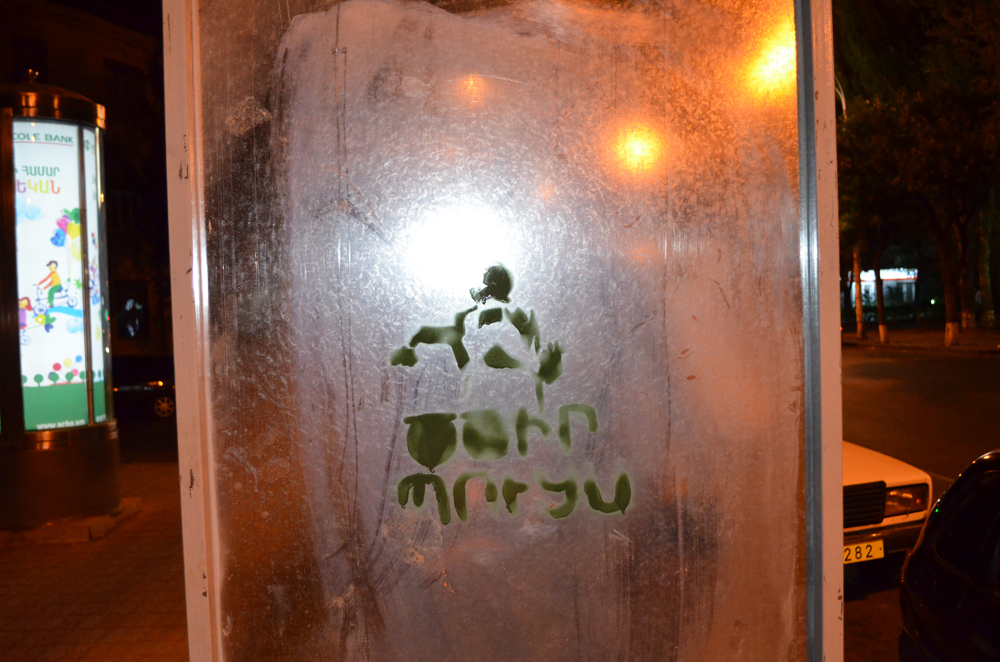
Սինթեզ. Ասա Ճշմարտությունը, Ամենքը լուռ են
Ասա Ճշմարտությունը, Ամենքը լուռ են . . . բայց թեքելով—Ոչ խաչ, մահարձա՛ն,
Ոչ սին խոսքերի անտեղի հեղեղ, Շրջանցման մեջ է հաջողությունը
Անօգուտ վշտի չկա՛ լաց կական
Ժամն է ահեղ։
Անչափ պայծառ է մեր Զմայլանքից փոփոխական
Ճշմարտի հոյակապ անակնկալը
Կոշտ, բիրտ բռունցքներ ճոճում են օդում
Ինչպես Կայծակն է դառնում դյուրին Մանկանը Հուժկու կրծքերից երկում ու նզովք,
Բարի բացատրությամբ
Աչքերից սրտի ժանտ թույն առկայծում
Ճշմարիտն էլ ապշեցնի թող հերթաբար
Թե ոչ՝ ամեն ոք (կ)կուրանա—Չի լալիս ոչ ոք։
__
Էմիլի Դիքինսոն «1129» (1868) և Շուշանիկ Կուրղինյան «Անվերնագիր» (1906)
Ոչ սին խոսքերի անտեղի հեղեղ, Շրջանցման մեջ է հաջողությունը
Անօգուտ վշտի չկա՛ լաց կական
Ժամն է ահեղ։
Անչափ պայծառ է մեր Զմայլանքից փոփոխական
Ճշմարտի հոյակապ անակնկալը
Կոշտ, բիրտ բռունցքներ ճոճում են օդում
Ինչպես Կայծակն է դառնում դյուրին Մանկանը Հուժկու կրծքերից երկում ու նզովք,
Բարի բացատրությամբ
Աչքերից սրտի ժանտ թույն առկայծում
Ճշմարիտն էլ ապշեցնի թող հերթաբար
Թե ոչ՝ ամեն ոք (կ)կուրանա—Չի լալիս ոչ ոք։
__
Էմիլի Դիքինսոն «1129» (1868) և Շուշանիկ Կուրղինյան «Անվերնագիր» (1906)
October 10, 2013
Արեգնազանի և հայր Արմանի մենամարտը 2 | Aregnazan and Father Arman Battle Scene 2
Տեսարանը նկարահանեցինք
Խնձորեսկի կամուրջի վրա։
The scene was shot on the bridge of Khndzoresk.
Read more about this project here.
The scene was shot on the bridge of Khndzoresk.
Read more about this project here.
October 5, 2013
October 2, 2013
Արեգնազանը հանդիպում է Աղավնի Աղջկան | Aregnazan meets Dove Girl
Տեսարանի նկարահանումը արեցինք
Կեչուտի ջրամբարի մոտ։
The scene was shot at the Kechut Reservoir near Jermuk.
Read more about this project here.
The scene was shot at the Kechut Reservoir near Jermuk.
Read more about this project here.
September 28, 2013
September 14, 2013
September 2, 2013
take place | september 10 - 22, 2013 | vienna
Die Vereinigung bildender Künstlerinnen Österreichs zeigt unter dem Titel take place vom 10. – 22. September 2013 eine Ausstellung mit folgenden Künstler_innen: Veronika Dirnhofer, Hilde Fuchs, Maria Hahnenkamp, Oliver Hangl (Wiener Beschwerdechor) und Queering Yerevan
Unter anderem haben die Künstler_innen ausgehend von Materialien und schriftlichen Quellen des VBKÖ Archivs neue Arbeiten entwickelt, die sich mit dem Thema der Selbstbehauptung, des Platz schaffen und Raum nehmen auseinandersetzen; Arbeiten als Verbildlichung im Sinne eines Mappings der bisher hier agierenden Personen, deren Handeln, deren Sprache und deren kunst- und frauenpolitische Forderungen.
Eine Wandzeichnung von Veronika Dirnhofer in den Räumen der VBKÖ soll im Sinne eines Mappings sowohl historische Fakten, wie Lücken, aber auch assoziative, zeitgenössische Einflüsse sichtbar machen.
Text(-ile) Arbeiten von Hilde Fuchs werden sich als Referenzpositionen mit historischen Aktivitäten und Formen der Raumforderung und -besetzung der Gründerinnen der VBKÖ beschäftigen und am Eröffnungsabend performativ verortet. Ebenso wird mit Elementen des Reenactments auch der öffentliche Raum zum Thema von „take place“ gemacht.
Maria Hahnenkamp zeigt das (Text-)Video „V4-07/13“ – eine visuelle Bearbeitung des Textes „Performative Akte und Geschlechterkonstitution. Phänomenologie und feministische Theorie“ von Judith Butler aus dem Buch „Performanz. Zwischen Sprachphilosophie und Kulturwissenschaften“ (Hrsg. Uwe Wirth, 2002), sowie ein Glas-(Text-) Bild mit einem sandgestrahlten Zitat von Gaston Bachelard, 2012 (aus dem Buch »Poetik des Raumes«, Hanser Verlag, 1975)
Der vom Wiener Performance- und Medienkünstler Oliver Hangl Anfang 2010 gegründete Wiener Beschwerdechor agiert mit seinen musikalischen Bürger-innen Interventionen als zeitgenössisches, performatives Medium stets kontext- und ortsbezogen. Hangl zeigt in der Ausstellung neue Fotoarbeiten, in denen sich der Chorkörper temporär in die Stadt einschreibt und inszeniert zur Ausstellungseröffnung eine neue Aktion XXXVIII ”Aug in Aug: Kollektives Individualkonzert”, die per Gegenüberstellung von Akteur-in und Besucher-in die Anonymität von Kollektiven thematisiert und bricht.
www.wienerbeschwedechor.at | www.olliwood.at
Das aktivistische Künstlerinnen-Kollektiv Queering Yerevan transferiert Geschehnisse der postkommunistischen Verortung von privat und öffentlich aus Armenien nach Wien und untersucht das Gesellschaftsprinzip (Re)public anhand von Zeichnungen, Installationen und Lesungen. Es wird sich, wie schon in vorangegangenen Arbeiten, auch in Wien mit dem Thema public gardening, der öffentliche Raum als sozialer und kritischer Raum auseinandersetzen.
Eröffnung am 10. September 2013 um 19 Uhr
Zur Ausstellung: Herbert Justnik, Kurator / Volkskundemuseum
Ausstellungsdauer: 11. – 22. September 2013
Jeweils Do. – Sa. von 15 – 19 Uhr
Dank an BMUKK Sektion Kunstangelegenheiten, Sektion Internationale Angelegenheiten und Cyberlab.

_________________________________________________________________________________Veronika Dirnhofer
* 1967 /Horn, NÖ. Lebt und arbeitet in Wien und NÖ.
Studium an der Akademie der bildenden Künste Wien
seit 1994 Lehrende an der Akademie der bildenden Künste, Wien
seit 2011 im Vorstand der Vereinigung bildender Künstlerinnen Österreichs
1996 Studienaufenthalt school of visual arts, New York
2002 Gastprofessur an der Kunstuniversität Linz
Kulturförderpreis des Landes Vorarlberg
2004 Anerkennungspreis Land Niederösterreich
2006 Artist in Residence, Art Institute of Chicago
Ausstellungen (Auswahl)
2012 Der wilde Raum, Kunstraum Niederösterreich
2011 Galerie Thiele, Linz
Im Garten, Nordico Linz
Galerie 3, Klagenfurt
2010 „Zeichnung“ Galerie Artepari, Graz
„Mutter “ Joaneum, Graz- Gruppenausstellung
„Experimentelle“ 2010 , Randegg, NÖ – Gruppenausstellung
„Indepainted“ Galerie Artepari, Graz- Gruppenausstellung
2009 „condition of risk“ Galerie frey, Wien
„Sivrettatelier“ Palais Lichtenstein, Feldkirch- Gruppenausstellung
„Destination Chicago“, IG Bildende Kunst Wien- Gruppenausstellung
„Nachlässe“ Frauenmuseum Hittisau
Hilde Fuchs
* 1964 /Orth an der Donau, NÖ. Lebt und arbeitet in Wien und NÖ.
Hochschule für angewandte Kunst /Wien (Mkl. Ernst Caramelle).
Seit 1984 Mode- und Theaterprojekte (2006, 2007, 2009 Auftragswerke für das Volkstheater /Wien)
Seit 2007 Kuratorin und Management von museumORTH im Schloss Orth an der Donau, NÖ
Seit 2011 im Vorstand der Vereinigung bildender Künstlerinnen Österreichs
Themenschwerpunkte: Kleidung und Identitäts(-politiken), (De-)Kodierungen und Sprache.
Preise, Stipendien, Auslandsaufenthalte (Auswahl):
2009 Artist in residence | Phoenix-Gallery /Brighton, UK
2003 Anerkennungspreis für bildende Kunst, Land NÖ
2002 Karl-Hofer-Preis, UdK – Universität der Künste /Berlin
1999 1. Platz, Wettbewerb „LICHTUNGEN” /Kassel
1997 Theodor-Körner-Preis
1994, 1998, 2004 Auslandsstipendien des BMUKK in Prag, Paris und ISCP /New York
Ausstellungen (Auswahl):
2013 „Regionalismus“ | Salzburger Kunstverein / Salzburg
2011-12 „Konkret – Konstruktiv – Minimal“ | Nö-ART, Kulturschloss Reichenau, Kunstverein Baden
2009 „desperate artwives“ | MZM – Nitschmuseum /Mistelbach
Handy | White Night Festival | Phoenix-Gallery /Brighton
2006-07 bridge:ing | Bunkier Sztuki /Krakau, Tüzraktér /Budapest,
Nationalgalerie Dvorana /Bratislava, Volkskunde Museum /Wien, Stadtgalerie /Czernowitz
2005 …den Verschwiegenen (P) | MAK NITE /Wien
Prêt-á-Porter | National Gallery /Tirana
2004 Deposit | ISCP /New York
Deposit (P) “Peformance Night,” Goliath Visual Space /New York
2003 Kodierung (P) | UdK /Berlin
2001 Reflektorzone | „Gemischte Gefühle“ | NÖ public art /Reinsberg
1997 Jetzt bin ich eine begehbare Dichterplastik (P) | NÖ Landesmuseum /Wien
1995 Drehmomente (P) | Secession, Wien
Maria Hahnenkamp
* 1959 /Eisenstadt. Lebt und arbeitet in Wien.
2007 Würdigungspreis für Fotografie und 1995 den Msgr. Otto Mauer-Preis.
Ausstellungen (Auswahl ab 1995)
2012, 2007, 2002 Galerie Krobath Wimmer, Wien (P)
2012 „Reflecting Fashion – Kunst und Mode seit der Moderne“, MUMOK, Wien
2010 Galerie Lisi Hämmerle, Bregenz
2008 Salzburger Kunstverein (P)
2005, 2001, 1998, 1995 Galerie Praz-Delavallade, Paris (P)
2005 2nd Beijing Biennale 2005, China
2004 „Dass die Körper sprechen, auch das wissen wir seit langem*“, Generali Foundation, Wien
2002 „Transparency“, Museum für angewandte Kunst / MAK-Galerie, Wien (P)
2001 „Maria Hahnenkamp. Fotoarbeiten / Installationen“, Stadtgalerie Saarbrücken (P)
1999 „Aspekte/Positionen. 50 Jahre Kunst aus Mitteleuropa 1949–1999“, Museum moderner Kunst
Stiftung Ludwig Wien /20er Haus, Wien
1997 Frac de Basse-Normandie, Caen, F (P); „Time is a Man. Space is a Woman“, Galerie
Viafarini, Mailand
1995 Nicole Klagsbrun Gallery (mit Nancy Davenport), New York, (P)
Komplette Bio- und Bibliographie siehe unter: www.galeriekrobath.at
Oliver Hangl (Wiener Beschwerdechor)
* 1968 /Grieskirchen, OÖ. Lebt und arbeitet in Wien.
Studium der Theaterwissenschaft und Italienisch, Universität Wien.
Oliver Hangl bewegt sich in performativen Disziplinen und medialen Räumen ebenso wie in den klassischen Ausstellungsräumen der bildenden Kunst. Realitätsbrüche, Verdoppelungen und Zwischenwelten markieren seine aktuellen Arbeiten, die nicht an ein Medium gebunden sind. Zahlreiche orts- und kontextspezifische Projektrealisierungen im öffentlichen Raum.
Hangl bewegt sich in einem breiten künstlerischen Betätigungsfeld, in dem er oft seine Position zwischen Künstler, Kurator, Produzent, Darsteller und/oder Regisseur wechselt.
2008 Gründung des Projektraum “k48 – Offensive für zeitgenössische Wahrnehmung” in Wien.
1999 Lehrtätigkeit an verschiedenen Kunstuniversitäten.
Einzelausstellungen (Auswahl)
2013 “walking concerts“, öffentlicher Raum, Wien
2012 “Kino im Kopf spezial“, Regionale12, Murau
“twotiming“, museumORTH/public art NÖ, Orth a.d. Donau
Gruppenausstellungen/Projekte (Auswahl)
2013 “Citopia Now”, urbanize-Festival, öffentlicher Raum, Wien
“Leonart”, öffentlicher Raum, Leonding
2012 “KROTESG!”, Arti et Amicitiae, Amsterdam
“Mit sofortiger Wirkung”, Kunsthalle Wien-project space, Wien
Komplette Bio- und Bibliographie siehe unter: www.olliwood.at
Queering Yerevan (Künstlerinnen-Kollektiv, Yerevan /Armenien)
Arpi Adamyan
(* 1985) is a multi-media graphic, photomontage, and video artist residing in Yerevan.
She received her MFA in Graphic Arts from the Yerevan State Academy of Fine Arts in 2008. Her work engages in the creation of queer and feminist spaces, alternative realms and parallel realities that exist in and between narrative, culture, and history.
Shushan Avagyan
(* 1976) is the translator of I Want to Live: Poems of Shushanik Kurghinian (AIWA 2005), and three books by Viktor Shklovsky, Energy of Delusion: A Book on Plot (Dalkey Archive 2007), Bowstring: On the Dissimilarity of the Similar (Dalkey Archive 2011), and A Hunt for Optimism (Dalkey Archive 2013). She is the author of the novel Girk-anvernagir (PrintInfo 2005).
Lusine Talalyan
(* 1975) is a video and photography artist residing in Yerevan. She has shown her work at the 8th Gyumri Biennale of Contemporary Art (2012), Transkaukazja (Vienna 2011), Queering Translation (Yerevan 2010), Social Mutations (ACCEA Yerevan 2009), Photonic Moments III (Ljubljana 2007), Kinoshok International Film Festival (Anapa 2004), Hay-Art Utopiana (Yerevan 2001), Civic Commotion (ACCEA Yerevan 2000).
Copyright VBKÖ.
August 29, 2013
ԱՐՁԱՆԱԳՐՈՒԹՅՈՒՆ. ՌՈՒԶԱՆ ՔՅՈՒՐՔՉՅԱՆԻ «ՆՍՏԱԾ ԿԻՆԸ»
Շուշան Ավագյան
Նրա աշխատանքներին կամա, թե ակամա շատերն են ծանոթ. եթե չեն տեսել Կոմիտասի անվան պանթեոնի նրա հսկայածավալ տուֆակերտ հարթաքանդակները (1969թ.), ապա հաստատ գիտեն Երիտասարդական մետրոյի պատի բրոնզե քանդակը («Երիտասարդություն» 1981թ.), Պուշկինի փողոցի Թորոս Թորոմանյանին նվիրված հուշարձանը (1985թ.) կամ էլ Օղակաձև զբոսայգու «Վերածնունդ» կոչվող հանրահայտ քանդակը (1969թ.), որը 1973թ.-ին տեղադրվել էր Կոմիտասի անվան Կամերային երաժշտության տան մոտ։
Աշխատանքներին ծանոթ ենք, բայց անվանը՝ ոչ։
Ծանոթ չենք ոչ այն պատճառով, որ քանդակագործը կին է. հիշեք, թե քանի կին քանդակագործ գիտեք ու թե որքանով են ճանաչված նրանց աշխատանքները (ասենք Հռիփսիմե Սիմոնյանի կամ Թերեզա Միրզոյանի աշխատանքները)։
Ծանոթ չենք ոչ էլ այն պատճառով, որ քանդակագործը խորհրդային շրջանից է. մտաբերեք, թե քանի սովետական քանդակագործ գիտեք ու թե որքանով են պահպանված նրանց աշխատանքները (ասենք Այծեմնիկ Ուրարտուի կամ Սերգեյ Մերկուրովի աշխատանքները)։
Ծանոթ չենք նրա անվանը, քանի որ մեզ արվեստն ընդհանրապես չի հետաքրքրում և որովհետև մենք՝ Երևանի քաղաքացիներիս մեծ մասը նախընտրում ենք նստել արվեստի տարածքները գրաված քաղցկեղանման սրճարաններում և կամ զբոսնել այդ տարածքները ներխուժած խանութներում։ Ու այդպիսով, մատնված անուշադրության և անտարբերության, քաղաքային արվեստի գործերը, ինչպես օրինակ «Վերածնունդ» քանդակը, հայտնվում են անհեթեթ տեղերում, ասենք՝ ինչ-որ մեկի հագուստի կրպակի մուտքի մոտ։
Սակայն մոնումենտալ-դեկորատիվ արվեստի բնագավառում աշխատող քանդակագործ Ռուզան Քյուրքչյանի (1930-2002) ժամանակակիցները նրա մասին այլ կարծիքի էին։
«Ռուզանի գործը կրում է մեծ Ատտիկայի ոգին», գրում է Երվանդ Քոչարը, «Նա իսկական արձանագործ է, մեր հայ իրականության մեջ այն բացառիկներից, որ զգում է ֆորման իր կոսմիկական ամբողջության մեջ»։ Արվեստաբան Նոնա Ստեփանյանն ընդգծում է «ազնվաբարոյությունն ու գերող անմիջականությունը» որպես Քյուրքչյանի ներքնաշխարհի հիմնական հատկանիշները։
Նրա առաջին գործը 1955թ.-ին Երևանի գեղարվեստա-թատերական ինստիտուտի ավարտական կուրսում արված «Պետրոս Ադամյան» դիմաքանդակն էր, որից հետո ստեղծվեցին «Ընտանիք» պղնձակոփ արձանախումբը (1966թ.) դրված Սայաթ-Նովայի փողոցում՝ գիտությունների ակադեմիայի հին շենքի առջև, «Սայաթ-Նովա» դիմաքանդակը (1963թ.) ինչպես նաև Սայաթ-Նովային նվիրված յոթ սկահակներից կառուցված շատրվանը, դրված Սայաթ-Նովայի փողոցի ջրավազանում։ Հայտնի է նաև բժշկական ինստիտուտի բակում դրված նրա Հայրենական մեծ պատերազմում զոհված բժշկական ինստիտուտի սաներին նվիրված հուշարձանը։
Վերջին գործերից էր 1989թ.-ին արված «1988» մոնումենտալ արձանը, որով շունչ էր տալիս երկրաշարժում զոհված իր հայրենակիցներին և այդ շունչը, ինչպես Քոչարն էր ասել իր նախկին գործերի մասին, «հավիտենական է ու անկորուստ»։
Այնուամենայնիվ այսօր այս գործերից շատ քիչ բան է մնացել։
Ընտանիքի արխիվում խնամքով պահվում են նրա մասին գրված բազում նյութեր, ինչպես նաև նրա աշխատանքների լուսանկարներ, որոնցից մեկն առանձնապես գրավիչ է։
Քյուրքչյանն է՝ լուսանկարված Օղակաձև այգում, «Վերածնունդ»-ի մոտ։ Ուշ աշուն է կամ վաղ ձմեռ, հագին մուգ կարմիր վերարկուն է։ Հավանաբար յոթանասուն-երեք թիվն է, երբ արվեստանոցից դուրս բերվելուց հետո, ապա չորս տարի ցուցահանդեսներում և արվեստի սրահներում շրջագայելով քանդակը վերջապես գտել էր իր տեղը՝ երիտասարդ ծառերի ու ոլորուն ծառուղիների մեջ ու միջև։ Քյուրքչյանը գոհունակությամբ զննում է նստած, ձեռքի ափերին հենված ու կիսաբարձրացող կնոջ կիսադեմը, ձեռքը դրած քանդակի գլխին, ասես շոյելով նրա բրոնզե մազերը և ասելով. «Այսօր ինձանից հեռանում ես ու մտնում հանրային տարածք։ Հանձնում եմ քեզ այս քաղաքին, ազատ ես, ապրիր քո կյանքով և թող քաղաքացիները ոգեշնչվեն քեզ տեսնելով»։ Նույն թվականի «Հայաստանի աշխատավորուհի» ամսագրի տասերորդ համարում Վահե Պողոսյանն արձագանքում է. «Եթե Քյուրքչյանի մյուս գործերը լավն են, այս մեկը կատարյալ է։ Նստած կնոջ միջոցով պատկերված Հայաստանը հառնում է կյանքով, հաստատակամությամբ, նաև կորովով»։
Այսօր իհարկե, գրեթե քառասուն տարի անց, Քյուրքչյանի պատկերացրած հանրային տարածքից շատ քիչ բան է մնացել, իսկ բոլորիս հայտնի «նստած կնոջ» քանդակը զիջել է իր տեղը Ֆրիտյոֆ Նանսենի կիսանդրուն (քանդակագործ` Գարեգին Դավթյան, ճարտարապետ` Ասլան Մխիթարյան), որն անխոս ավելի տրամաբանական կլիներ տեղադրել ասենք հենց Նանսենի անվան այգում, որը գտնվում է նույն Նանսենի փողոցի վրա՝ Նոր Նորք վարչական շրջանի առաջին զանգվածում։
Արդյոք ինչպիսի՞ ուղերձ են ուղարկում հետխորհրդային շրջանի քաղաքապետարանն ու մշակույթի նախարարությունը Երևանի բնակիչներին, երբ առանց որևէ բացատրության կամ պաշտոնական հայտարարության տեղահանում են Քյուրքչյանի հայտնի քանդակը հանրային տարածքից, «ի պահ դնելով» այն ոմն առուտուր անողի կրպակի տարածքում։ Միթե այնքա՞ն ենք կորցրել մեր զգոնությունը արհամարհվող ու գողացվող մեր ժառանգության հանդեպ, որ հանգիստ ընդունում ենք հերթական անգամ հանրային ունեցվածքի «վերաբաշխումը»։ Արժե՞ հիշատակել այն բոլոր դեպքերը, երբ հանրային տարածքից անհետացվել են արվեստի գործեր զուտ իրենց մետաղական արժեքի պատճառով։
Ուրեմն կրկին անգամ ծագում է Նիկոլայ Չերնիշևսկու հարցը. ի՞նչ անել։ Ի՞նչ անել, որ հետագայում չասենք կին քանդակագործներ չենք ունեցել, կամ ի՞նչ անել, որ վերիմաստավորվեն ու համատեղվեն խորհրդային շրջանում ստեղծված և արդեն իսկ պատմական դարձած քաղաքի այս անքակտելի (անգին) մասնիկները։
Եվ ուրեմն. ի՞նչ անել արվեստի հետ։
___
«ԵՐԵՎԱՆ» քաղաքի ամսագրում [#9(19) Սեպտեմբեր 2013] հրատարակված հոդվածի («Ռուզան Քյուրքչյանն ու «Վերածնունդ» քանդակը Օղակաձև այգում, 1973թ.») չխմբագրված տարբերակը։
Նրա աշխատանքներին կամա, թե ակամա շատերն են ծանոթ. եթե չեն տեսել Կոմիտասի անվան պանթեոնի նրա հսկայածավալ տուֆակերտ հարթաքանդակները (1969թ.), ապա հաստատ գիտեն Երիտասարդական մետրոյի պատի բրոնզե քանդակը («Երիտասարդություն» 1981թ.), Պուշկինի փողոցի Թորոս Թորոմանյանին նվիրված հուշարձանը (1985թ.) կամ էլ Օղակաձև զբոսայգու «Վերածնունդ» կոչվող հանրահայտ քանդակը (1969թ.), որը 1973թ.-ին տեղադրվել էր Կոմիտասի անվան Կամերային երաժշտության տան մոտ։
Աշխատանքներին ծանոթ ենք, բայց անվանը՝ ոչ։
Ծանոթ չենք ոչ այն պատճառով, որ քանդակագործը կին է. հիշեք, թե քանի կին քանդակագործ գիտեք ու թե որքանով են ճանաչված նրանց աշխատանքները (ասենք Հռիփսիմե Սիմոնյանի կամ Թերեզա Միրզոյանի աշխատանքները)։
Ծանոթ չենք ոչ էլ այն պատճառով, որ քանդակագործը խորհրդային շրջանից է. մտաբերեք, թե քանի սովետական քանդակագործ գիտեք ու թե որքանով են պահպանված նրանց աշխատանքները (ասենք Այծեմնիկ Ուրարտուի կամ Սերգեյ Մերկուրովի աշխատանքները)։
Ծանոթ չենք նրա անվանը, քանի որ մեզ արվեստն ընդհանրապես չի հետաքրքրում և որովհետև մենք՝ Երևանի քաղաքացիներիս մեծ մասը նախընտրում ենք նստել արվեստի տարածքները գրաված քաղցկեղանման սրճարաններում և կամ զբոսնել այդ տարածքները ներխուժած խանութներում։ Ու այդպիսով, մատնված անուշադրության և անտարբերության, քաղաքային արվեստի գործերը, ինչպես օրինակ «Վերածնունդ» քանդակը, հայտնվում են անհեթեթ տեղերում, ասենք՝ ինչ-որ մեկի հագուստի կրպակի մուտքի մոտ։
Սակայն մոնումենտալ-դեկորատիվ արվեստի բնագավառում աշխատող քանդակագործ Ռուզան Քյուրքչյանի (1930-2002) ժամանակակիցները նրա մասին այլ կարծիքի էին։
![]() |
| Ռ. Քյուրքչյան, «1988» |
«Ռուզանի գործը կրում է մեծ Ատտիկայի ոգին», գրում է Երվանդ Քոչարը, «Նա իսկական արձանագործ է, մեր հայ իրականության մեջ այն բացառիկներից, որ զգում է ֆորման իր կոսմիկական ամբողջության մեջ»։ Արվեստաբան Նոնա Ստեփանյանն ընդգծում է «ազնվաբարոյությունն ու գերող անմիջականությունը» որպես Քյուրքչյանի ներքնաշխարհի հիմնական հատկանիշները։
Նրա առաջին գործը 1955թ.-ին Երևանի գեղարվեստա-թատերական ինստիտուտի ավարտական կուրսում արված «Պետրոս Ադամյան» դիմաքանդակն էր, որից հետո ստեղծվեցին «Ընտանիք» պղնձակոփ արձանախումբը (1966թ.) դրված Սայաթ-Նովայի փողոցում՝ գիտությունների ակադեմիայի հին շենքի առջև, «Սայաթ-Նովա» դիմաքանդակը (1963թ.) ինչպես նաև Սայաթ-Նովային նվիրված յոթ սկահակներից կառուցված շատրվանը, դրված Սայաթ-Նովայի փողոցի ջրավազանում։ Հայտնի է նաև բժշկական ինստիտուտի բակում դրված նրա Հայրենական մեծ պատերազմում զոհված բժշկական ինստիտուտի սաներին նվիրված հուշարձանը։
Վերջին գործերից էր 1989թ.-ին արված «1988» մոնումենտալ արձանը, որով շունչ էր տալիս երկրաշարժում զոհված իր հայրենակիցներին և այդ շունչը, ինչպես Քոչարն էր ասել իր նախկին գործերի մասին, «հավիտենական է ու անկորուստ»։
Այնուամենայնիվ այսօր այս գործերից շատ քիչ բան է մնացել։
Քյուրքչյանն է՝ լուսանկարված Օղակաձև այգում, «Վերածնունդ»-ի մոտ։ Ուշ աշուն է կամ վաղ ձմեռ, հագին մուգ կարմիր վերարկուն է։ Հավանաբար յոթանասուն-երեք թիվն է, երբ արվեստանոցից դուրս բերվելուց հետո, ապա չորս տարի ցուցահանդեսներում և արվեստի սրահներում շրջագայելով քանդակը վերջապես գտել էր իր տեղը՝ երիտասարդ ծառերի ու ոլորուն ծառուղիների մեջ ու միջև։ Քյուրքչյանը գոհունակությամբ զննում է նստած, ձեռքի ափերին հենված ու կիսաբարձրացող կնոջ կիսադեմը, ձեռքը դրած քանդակի գլխին, ասես շոյելով նրա բրոնզե մազերը և ասելով. «Այսօր ինձանից հեռանում ես ու մտնում հանրային տարածք։ Հանձնում եմ քեզ այս քաղաքին, ազատ ես, ապրիր քո կյանքով և թող քաղաքացիները ոգեշնչվեն քեզ տեսնելով»։ Նույն թվականի «Հայաստանի աշխատավորուհի» ամսագրի տասերորդ համարում Վահե Պողոսյանն արձագանքում է. «Եթե Քյուրքչյանի մյուս գործերը լավն են, այս մեկը կատարյալ է։ Նստած կնոջ միջոցով պատկերված Հայաստանը հառնում է կյանքով, հաստատակամությամբ, նաև կորովով»։
![]() |
| Ռ. Քյուրքչյանն ու «Վերածնունդ» քանդակը Օղակաձև այգում, 1970-ականներ |
Այսօր իհարկե, գրեթե քառասուն տարի անց, Քյուրքչյանի պատկերացրած հանրային տարածքից շատ քիչ բան է մնացել, իսկ բոլորիս հայտնի «նստած կնոջ» քանդակը զիջել է իր տեղը Ֆրիտյոֆ Նանսենի կիսանդրուն (քանդակագործ` Գարեգին Դավթյան, ճարտարապետ` Ասլան Մխիթարյան), որն անխոս ավելի տրամաբանական կլիներ տեղադրել ասենք հենց Նանսենի անվան այգում, որը գտնվում է նույն Նանսենի փողոցի վրա՝ Նոր Նորք վարչական շրջանի առաջին զանգվածում։
Արդյոք ինչպիսի՞ ուղերձ են ուղարկում հետխորհրդային շրջանի քաղաքապետարանն ու մշակույթի նախարարությունը Երևանի բնակիչներին, երբ առանց որևէ բացատրության կամ պաշտոնական հայտարարության տեղահանում են Քյուրքչյանի հայտնի քանդակը հանրային տարածքից, «ի պահ դնելով» այն ոմն առուտուր անողի կրպակի տարածքում։ Միթե այնքա՞ն ենք կորցրել մեր զգոնությունը արհամարհվող ու գողացվող մեր ժառանգության հանդեպ, որ հանգիստ ընդունում ենք հերթական անգամ հանրային ունեցվածքի «վերաբաշխումը»։ Արժե՞ հիշատակել այն բոլոր դեպքերը, երբ հանրային տարածքից անհետացվել են արվեստի գործեր զուտ իրենց մետաղական արժեքի պատճառով։
Ուրեմն կրկին անգամ ծագում է Նիկոլայ Չերնիշևսկու հարցը. ի՞նչ անել։ Ի՞նչ անել, որ հետագայում չասենք կին քանդակագործներ չենք ունեցել, կամ ի՞նչ անել, որ վերիմաստավորվեն ու համատեղվեն խորհրդային շրջանում ստեղծված և արդեն իսկ պատմական դարձած քաղաքի այս անքակտելի (անգին) մասնիկները։
Եվ ուրեմն. ի՞նչ անել արվեստի հետ։
___
«ԵՐԵՎԱՆ» քաղաքի ամսագրում [#9(19) Սեպտեմբեր 2013] հրատարակված հոդվածի («Ռուզան Քյուրքչյանն ու «Վերածնունդ» քանդակը Օղակաձև այգում, 1973թ.») չխմբագրված տարբերակը։
August 21, 2013
PEACE PROCESS
By Alison Snowball
GPS drawing [using MapMyRun]
10.15km 1h58m49s [variable dimensions]
As an outsider to Yerevan, a map served as a logical tool for my early orientation in the city. At some point during this way finding, the city streets jumped out at me as the peace symbol.
As it relates to "In and Between the (Re)public," the act of making the work happens in the public sphere but remains a private affair, with no outward signs that this inscription is taking place.
As a GPS drawing, the work plays with the notion of public surveillance, but defies the surveyors through purposeful activation of the tracking technology.
The product is virtual and disembodied but the process is real and embodied. The product is imperfect but the process is negotiated rather than dictated. The product is one of a kind but the process is reproducible and encouraged.
GPS drawing [using MapMyRun]
10.15km 1h58m49s [variable dimensions]
As an outsider to Yerevan, a map served as a logical tool for my early orientation in the city. At some point during this way finding, the city streets jumped out at me as the peace symbol.
As it relates to "In and Between the (Re)public," the act of making the work happens in the public sphere but remains a private affair, with no outward signs that this inscription is taking place.
As a GPS drawing, the work plays with the notion of public surveillance, but defies the surveyors through purposeful activation of the tracking technology.
The product is virtual and disembodied but the process is real and embodied. The product is imperfect but the process is negotiated rather than dictated. The product is one of a kind but the process is reproducible and encouraged.
July 25, 2013
July 6, 2013
July 3, 2013
June 29, 2013
June 17, 2013
Բաց նամակ քաղաքապետին
Երևանի քաղաքապետ պրն. Տարոն Մարգարյանին
Հունիս 17, 2013թ.
Հարգելի պարոն քաղաքապետ, տեղեկացնում ենք Ձեզ այն մասին, որ քանդակագործ Ռուզան Քյուրքչյանի (1930-2002) «Վերածնունդ» կոչվող հանրահայտ քանդակը, որը 1973թ.-ին տեղադրվել էր Կոմիտասի անվան Կամերային Երաժշտության Տան մոտ, Օղակաձև զբոսայգում, տեղահանվել է ինչ-ինչ պատճառներով և տեղադրվել մի շատ անշուք ու անհամապատասխան վայրում՝ նույն այգում գտնվող հագուստի կրպակի մուտքի մոտ։ Շատ ցավում ենք տեսնելով նման անհարգալից վերաբերմունք Քյուրքչյանի աշխատանքի հանդեպ և ցանկանում ենք, որ քանդակը տեղափոխվի մի նոր՝ ավելի պատշաճ վայր, որտեղ այն կգնահատվի և կպահպանվի ճիշտ ձևով։
Խնդրում ենք թույլատրել քանդակը տեղափոխել «ԹՈՒՄՈ» ստեղծարար տեխնոլոգիաների կենտրոնի հոգածության ներքո Թումանյանի զբոսայգի։ «ԹՈՒՄՈ»-ի և «Սիմոնյան» կրթական հիմնադրամի գլխավոր տնօրեն Մարի Լու Փափազյանը սիրով համաձայնվել է օգնել քանդակը տեղափոխելու գործում և խոստացել, որ պատշաճ տեղ կհատկացնի արվեստի այս կարևոր գործին։
Հարգանքներով՝
Շուշան Ավագյան, թարգմանիչ
Արփի Ադամյան, արվեստագետ
Լուսինե Թալալյան, արվեստագետ
Հունիս 17, 2013թ.
Հարգելի պարոն քաղաքապետ, տեղեկացնում ենք Ձեզ այն մասին, որ քանդակագործ Ռուզան Քյուրքչյանի (1930-2002) «Վերածնունդ» կոչվող հանրահայտ քանդակը, որը 1973թ.-ին տեղադրվել էր Կոմիտասի անվան Կամերային Երաժշտության Տան մոտ, Օղակաձև զբոսայգում, տեղահանվել է ինչ-ինչ պատճառներով և տեղադրվել մի շատ անշուք ու անհամապատասխան վայրում՝ նույն այգում գտնվող հագուստի կրպակի մուտքի մոտ։ Շատ ցավում ենք տեսնելով նման անհարգալից վերաբերմունք Քյուրքչյանի աշխատանքի հանդեպ և ցանկանում ենք, որ քանդակը տեղափոխվի մի նոր՝ ավելի պատշաճ վայր, որտեղ այն կգնահատվի և կպահպանվի ճիշտ ձևով։
Խնդրում ենք թույլատրել քանդակը տեղափոխել «ԹՈՒՄՈ» ստեղծարար տեխնոլոգիաների կենտրոնի հոգածության ներքո Թումանյանի զբոսայգի։ «ԹՈՒՄՈ»-ի և «Սիմոնյան» կրթական հիմնադրամի գլխավոր տնօրեն Մարի Լու Փափազյանը սիրով համաձայնվել է օգնել քանդակը տեղափոխելու գործում և խոստացել, որ պատշաճ տեղ կհատկացնի արվեստի այս կարևոր գործին։
Հարգանքներով՝
Շուշան Ավագյան, թարգմանիչ
Արփի Ադամյան, արվեստագետ
Լուսինե Թալալյան, արվեստագետ
May 20, 2013
Թվային Թանգարանային Գիշեր 2013 Digital Museum Night
Մայիսի 18-ին` ժամը 18:00-24:00-ը, Երևանում, Գյումրիում, Վանաձորում և Շուշիում ներկայացվեց «Թվային թանգարանային գիշեր» նախագիծը, որի շրջանակում ցուցադրվեցին արվեստի տարբեր ճյուղերում աշխատող արդի հայ երիտասարդ արվեստագետների ստեղծագործությունները: Արվեստագետների ցանկը տեսնելու համար սեղմեք այստեղ, իսկ վիդեո-սլայդի համար՝ այստեղ։
On May 18, from 6pm to midnight, Digital Museum Night showcased the works of 32 artists from Armenia and abroad as part of the "International Museum Day" program. The digital slideshow was aired on screens in public and private spaces in Yerevan, Gyumri, Vanadzor and Shushi. Click here to see the list of artists who participated in the project.
April 19, 2013
AREGNAZAN OR MAGICAL WORLD
An interview with Arpi Adamyan and Melissa Boyajian
by Milena Abrahamyan
“Aregnazan” is an Armenian fairy tale written at the end of the 19th century by Ghazaros Aghayan. It tells the story of a father who has three children, two of whom are girls. The sex of the third child, Aregnazan, is not explicitly stated, but the father declares in the beginning of the story that Aregnazan will be a girl in order to protect her from evil spirits. Although Aregnazan has been declared a girl, she is not interested in the particularly typical things that are assigned to her gender. So she learns, with the encouragement of her father, to hunt, use weaponry, ride horses and do other things that would traditionally be done by boys. Eventually she proves her worthiness of being able to fight for the king and is declared a boy by her father in order to fulfill this duty.
Once Aregnazan is in the kingdom, he proves his abilities and strength by defeating a bear and saving the king. During this time, the king’s daughter, Princess Nunufar, falls madly in love with Aregnazan, but Aregnazan refuses her, partially due to her embarrassment regarding her perceived “actual” gender. Nunufar, being the princess that she is, becomes extremely ill after being refused and the king sends Aregnazan on a journey to find the “eternal water,” which is promised to be the cure for Nunufar’s “illness.”
On the way Aregnazan meets a dove-girl who transforms Aregnazan into a “real” man and also finds and brings the “eternal water” for him. As Aregnazan continues on his journey, he stumbles upon Stone City where all of the inhabitants have been turned to stone by an evil witch, except for the king who is only half-stone. Aregnazan helps bring the king back to life by giving him some of the eternal water and they defeat the evil witch, restoring the kingdom. Once his feat is finished Aregnazan returns to the kingdom, gives Nunufar a drink of the eternal water, thus saving her life. Since he became a real man during his travels, he is able to marry Nunufar and they live happily ever after.
Magical World is an adaptation of Aregnazan’s story by two Armenian artists, Arpi Adamyan and Melissa Boyajian, who are using a queer, feminist and futuristic perspective in an attempt to empower conventional female characters in the original story and to offer an alternative understanding of gender roles within traditional Armenian stories and lived lives. The adaptation is currently raising funds so that it becomes fully realized.
Q. Can you tell me a little bit about how this project came about?
Arpi: I had been talking to Melissa since last year about collaborating together and we were discussing many different ideas. But it was quite suddenly that I remembered the story of Aregnazan. It’s a story that my mother used to read to me when I was very little and that I had forgotten altogether. So I remembered the name, Aregnazan, but nothing else from the story except that it was an interesting one. I read it again and realized how much this story had affected me as a child and to an extent as part of my growing up. When you hear this story as a child your interpretation is completely different from how you may interpret it as an adult. In our conservative society we would not necessarily relate this story with the gender issues that are apparent in the story, because it is assumed that one’s gender and role within society are already set.
Melissa: I don’t have the same relationship to this story that Arpi did with her mother reading it to her when she was young. I would imagine that if it was read to me as a child I would also find the gender transformation in the story to be really interesting. Of course when you’re really critical of this story you see how it’s a typical, patriarchal story where Aregnazan does not become a true hero until becoming male, but it is still very unusual that there is this kind of hiding of gender in the beginning of the story.
Q. So obviously there are many instances in the story where you see a kind of patriarchal ideology. I know that you plan to adapt the story from a more feminist and queer perspective. I’m curious about how you plan to change things around to make it fit this radically different perspective. Especially, what are some of the elements in the story that can possibly move the imagination beyond the traditional understanding of gender and the Armenian family?
Melissa: Well, we keep Aregnazan’s gender rather ambiguous in our adaptation, but Aregnazan never becomes a boy.
Arpi: She’s both. And because in the Armenian language you don’t have this gender dynamic with pronouns, it makes this ambiguity easier. Of course, it’s different when you translate from one language to another (Armenian to English) and even when we speak in English during our process it can be confusing. But when you read the story you don’t have this confusion in Armenian. It works.
So the first thing about gender is that our actor will be a girl. We thought to have her (Aregnazan’s) character stay a girl, but then we thought that we’d rather have her be both. Throughout the whole story many people try to confuse her about his gender, but she resists and passes sometimes as a girl, at other times as a boy.
Meeting Dove Girl is a critical moment in the story when Aregnazan experiences a physical transition and becomes male. In our adaptation we will show this as not necessarily a physical transition, but rather a transition or expansion of thought. Dove Girl is a character who helps Aregnazan understand that he doesn’t have to make a choice about which gender she is and that she doesn’t have to divide himself according to the gender binary. So Aregnazan becomes the embodiment of someone who refuses to divide the self into parts.
Melissa: We also change Nunufar’s character. We don’t have her as a sick princess. She is almost like the second protagonist of the story. Even though Aregnazan is the hero in some regards, we’re trying to shift this dynamic so that the story is not about individualism in that sense. Nunufar and Aregnazan save the citizens of Sleeping City together. They do it with the citizens of the city by empowering them to break free.
Arpi: Can I just add something? You know how in the original story there is this kingdom and Nunufar is the princess, a privileged one at that. We also change this in our adaptation by playing with class representations. Nunufar is no longer a princess. She’s half-cyborg.
Melissa: In our plot the Sleeping City is our adaptation of Stone City. In the original story all of the people of Stone City have been turned to stone. In ours, they are all repeating the same tasks over and over with their eyes closed. It’s symbolic of Armenia, especially with regards to the economic situation. If you know anything about Armenia you know that there was the economic collapse in the 90’s, many people are unemployed or if they have jobs they are working for a minimum salary that can barely cover living costs. This is also connected to the vast privatization of all resources here. There are very few people who are rich here and they have become wealthy through illegal means. This kind of corruption goes all the way to Serzh Sarksyan who has been fraudulently elected already twice.
Arpi: Maybe your first impression upon hearing “Sleeping City” is that everyone is sleeping there and that something is happening which they do not see. But in reality that is not the case. It’s more about the general situation of that city and how there is a sense of a kind of “sleeping” condition in the city . . . that it can’t wake up.
But I want to go back to Nunufar for a moment. First of all it was interesting for us to leave her name as it is in the original story. I’m sure you know that in the process of adaptation we can change names of characters and their appearance. But for us it was interesting to keep her very feminine, almost fragile name and yet have her appearance change. Nunufar is a princess and so she is part of a kingdom where she is protected and even spoiled in many ways. It was important for us to take her out of that context. We end up not knowing much about her family. So she becomes more independent and mobile. We shift the patriarchal understanding of a man (Aregnazan) being someone who leaves the home and can travel and the woman (Nunufar) being someone who stays at home and waits for the man.
Melissa: These actions are things that are taken from patriarchal aspects of Armenian culture whether in storytelling or even things in the domestic sphere.
Arpi: For example, Aregnazan resists her father with a lasso. It references the story of Artashes and Satenik. According to Moses of Chorene, Artashes dominates Satenik with a lasso and is able to “have” her in that way. In the case of our adaptation, it’s Aregnazan who does this action to her aggressor, who she doesn’t know is her father and who she also doesn’t wish to “have” in this way. She is simply fighting to resist being stopped on her way. This is not only an illustration of what happens in a patriarchal society, but it’s about gender codes. We are trying to play with those codes that we have internalized in order to change them and push them to the extreme. If criticism is sometimes very intense it can offend certain groups living in your society, but when the criticism of something is taken to the extreme, the absurd, it becomes something more tangible. The absurd is a very interesting method for working with a problem.
Melissa: For me, as a Diasporan Armenian I can attest to the fact that many Armenians from the Diaspora live in the past. It’s a culturally different experience to compare my family to the people here. But to be able to envision something that is not in the past was important for me. And also there being a potential for a future in that things could change. That was important for me in setting this story in the future.
I think that Armenia as a Republic and also a people all over the world is a pretty crucial question. What will it be to be Armenian in 50 years? Will there be anyone living here anymore? And I know that’s very dismal, but hopefully that won’t be the case. In any case, to be able to imagine something in the future that could have the potential for change was important for me.
Arpi: The original story takes place in the 19th century during the time of the Tsar. In our adaptation we do not represent a time in which there are the same social-class problems. I think that Melissa and my experiences are a little bit different. For me, as someone living in a very conservative society, adopting a futuristic view for this story provides an opportunity with which it becomes possible to change something at a much faster pace than how things are changing in Armenia today. In this type of parochial society things tend to change very slowly. Things stay within the boundaries of that same conservatism, order, tradition, etc. We often see how people who are trying to change something are still staying within the bounds of that conservatism. Take for example today’s "revolutionary" movements in Armenia . . .
Q. So, just to dive a little deeper into the question of what this means for Armenia and maybe not only for Armenia, but for Armenians in the world as well. How do you make those links?
Melissa: There are some things that I think are prominent in most Armenian families regardless of where they are. For example, my family is extremely patriarchal. In either case, there are some traditions that can be applicable on a wider scale, even if some things are specifically located here in Armenia.
Arpi: There is a way in which one becomes socialized and learns as a child how to interpret certain stories. Society starts to carve you out according to its rules and codes so you can play your respective role. This is the whole problem. What would it be like if Aregnazan’s gender is not dependent on his father, the Dove Girl, or the love of a capricious princess? We see how Aregnazan is someone who plays out other people’s desires, something that is very characteristic of the Armenian culture in which a child is taught from a young age to have desires according to the codes that society has already set out for him or her.
We are never taught that we can make choices for ourselves. That we can change and transform. This is something that absolutely does not exist in our culture. For me adapting Aregnazan’s story means to create an entirety of characters who have the possibility to choose and transform through a series of relations and conflicts. This is also the thing that made the original story so interesting for me: the fact that there is a possibility for transformation, because as we see, Aregnazan, in any case, does change. Of course this change is also within the bounds of what the world in which she lives in will accept for a hero, but he still changes and transforms in every way possible.
It’s like the crossroads that characters in fairy tales often stand in front of. This is something that we don’t see women heroes in Armenian fairy tales usually have the opportunity to do, but Aregnazan is that character who has the opportunity to stand at a crossroads and choose a path. And this is what I think is most important about this story and its adaptation: change and transformation, the thing that I think we need the most.
Q. So in other words it is something that affects everyone and something that we can all relate to. It’s not just for people who thinks about and work on issues of sex and gender.
Arpi: Well, it definitely raises questions of gender, but also the generational question, traditions and living outside of those traditions, adopting different life-styles. But the main thing we see is the question of change and transformation, which is something that can go beyond gender.
Melissa: There are also many connections to what is happening in the country right now, economically and politically speaking. We don’t specifically speak about these things in the film, but many of the current problems of Armenia make themselves known throughout our adaptation.
Arpi: For example, we have an oligarchic character, someone who thrives on hypocrisy and fraud . . .
Melissa: It’s a symbol of the problem and not necessarily anyone in particular.
Something worth mentioning is that all of our characters will be played by women, with the exception of one character who will be Nunufar’s best friend. So the oligarch will be played by a woman, and the father as well. This is also a connection to the Armenian theater of the 1930s when the actor Siranush would play male roles. In a way she popularized this trend within Armenian theater.
Q. So you have an Indiegogo campaign online and you have another 4 days left to raise 6,000 dollars to fund this amazing project. Can you briefly tell us why you think this project is an important one to support?
Melissa: Well, because there need to be more representations of powerful characters from Armenia that are not so extremely patriarchal. And there needs to be a revision of some of the traditions, too. People should support us because it’s going to be an awesome project. It is an awesome project.
Arpi: For me there is also this element of how this fairy tale, the original one, is rather unique in the sense that it tells of an old time kingdom in which there is a notion of gender passing, the concealment or misrepresentation of one’s perceived gender. So I think this story is not only interesting because it is in the context of Armenian culture, but also that I don’t know if there are such stories in other cultures.
In reality I am very happy with all of the positive responses we have gotten from people who are supporting this project. It makes me happy to see that we are doing something that many other people truly believe is needed for them to understand the culture in which they are living in. So this is not just a story, it’s not just an adaptation . . . it’s very much connected to our lives. We are living all of this. We are living those traditions and we are also changing them.
So with this project we are representing not only ourselves, but also many other women. We are also representing men who don’t think in the traditional and conservative way.
I think that each person should support us according to their own world-view so that it can be possible for us to realize this project. It is always refreshing to see that people want change. And supporting this project means just that.
Help Magical World come to life >> support the project at Indiegogo.com!
by Milena Abrahamyan
“Aregnazan” is an Armenian fairy tale written at the end of the 19th century by Ghazaros Aghayan. It tells the story of a father who has three children, two of whom are girls. The sex of the third child, Aregnazan, is not explicitly stated, but the father declares in the beginning of the story that Aregnazan will be a girl in order to protect her from evil spirits. Although Aregnazan has been declared a girl, she is not interested in the particularly typical things that are assigned to her gender. So she learns, with the encouragement of her father, to hunt, use weaponry, ride horses and do other things that would traditionally be done by boys. Eventually she proves her worthiness of being able to fight for the king and is declared a boy by her father in order to fulfill this duty.
Once Aregnazan is in the kingdom, he proves his abilities and strength by defeating a bear and saving the king. During this time, the king’s daughter, Princess Nunufar, falls madly in love with Aregnazan, but Aregnazan refuses her, partially due to her embarrassment regarding her perceived “actual” gender. Nunufar, being the princess that she is, becomes extremely ill after being refused and the king sends Aregnazan on a journey to find the “eternal water,” which is promised to be the cure for Nunufar’s “illness.”
On the way Aregnazan meets a dove-girl who transforms Aregnazan into a “real” man and also finds and brings the “eternal water” for him. As Aregnazan continues on his journey, he stumbles upon Stone City where all of the inhabitants have been turned to stone by an evil witch, except for the king who is only half-stone. Aregnazan helps bring the king back to life by giving him some of the eternal water and they defeat the evil witch, restoring the kingdom. Once his feat is finished Aregnazan returns to the kingdom, gives Nunufar a drink of the eternal water, thus saving her life. Since he became a real man during his travels, he is able to marry Nunufar and they live happily ever after.
Magical World is an adaptation of Aregnazan’s story by two Armenian artists, Arpi Adamyan and Melissa Boyajian, who are using a queer, feminist and futuristic perspective in an attempt to empower conventional female characters in the original story and to offer an alternative understanding of gender roles within traditional Armenian stories and lived lives. The adaptation is currently raising funds so that it becomes fully realized.
Q. Can you tell me a little bit about how this project came about?
Arpi: I had been talking to Melissa since last year about collaborating together and we were discussing many different ideas. But it was quite suddenly that I remembered the story of Aregnazan. It’s a story that my mother used to read to me when I was very little and that I had forgotten altogether. So I remembered the name, Aregnazan, but nothing else from the story except that it was an interesting one. I read it again and realized how much this story had affected me as a child and to an extent as part of my growing up. When you hear this story as a child your interpretation is completely different from how you may interpret it as an adult. In our conservative society we would not necessarily relate this story with the gender issues that are apparent in the story, because it is assumed that one’s gender and role within society are already set.
Melissa: I don’t have the same relationship to this story that Arpi did with her mother reading it to her when she was young. I would imagine that if it was read to me as a child I would also find the gender transformation in the story to be really interesting. Of course when you’re really critical of this story you see how it’s a typical, patriarchal story where Aregnazan does not become a true hero until becoming male, but it is still very unusual that there is this kind of hiding of gender in the beginning of the story.
Q. So obviously there are many instances in the story where you see a kind of patriarchal ideology. I know that you plan to adapt the story from a more feminist and queer perspective. I’m curious about how you plan to change things around to make it fit this radically different perspective. Especially, what are some of the elements in the story that can possibly move the imagination beyond the traditional understanding of gender and the Armenian family?
Melissa: Well, we keep Aregnazan’s gender rather ambiguous in our adaptation, but Aregnazan never becomes a boy.
Arpi: She’s both. And because in the Armenian language you don’t have this gender dynamic with pronouns, it makes this ambiguity easier. Of course, it’s different when you translate from one language to another (Armenian to English) and even when we speak in English during our process it can be confusing. But when you read the story you don’t have this confusion in Armenian. It works.
So the first thing about gender is that our actor will be a girl. We thought to have her (Aregnazan’s) character stay a girl, but then we thought that we’d rather have her be both. Throughout the whole story many people try to confuse her about his gender, but she resists and passes sometimes as a girl, at other times as a boy.
Meeting Dove Girl is a critical moment in the story when Aregnazan experiences a physical transition and becomes male. In our adaptation we will show this as not necessarily a physical transition, but rather a transition or expansion of thought. Dove Girl is a character who helps Aregnazan understand that he doesn’t have to make a choice about which gender she is and that she doesn’t have to divide himself according to the gender binary. So Aregnazan becomes the embodiment of someone who refuses to divide the self into parts.
Melissa: We also change Nunufar’s character. We don’t have her as a sick princess. She is almost like the second protagonist of the story. Even though Aregnazan is the hero in some regards, we’re trying to shift this dynamic so that the story is not about individualism in that sense. Nunufar and Aregnazan save the citizens of Sleeping City together. They do it with the citizens of the city by empowering them to break free.
Arpi: Can I just add something? You know how in the original story there is this kingdom and Nunufar is the princess, a privileged one at that. We also change this in our adaptation by playing with class representations. Nunufar is no longer a princess. She’s half-cyborg.
Melissa: In our plot the Sleeping City is our adaptation of Stone City. In the original story all of the people of Stone City have been turned to stone. In ours, they are all repeating the same tasks over and over with their eyes closed. It’s symbolic of Armenia, especially with regards to the economic situation. If you know anything about Armenia you know that there was the economic collapse in the 90’s, many people are unemployed or if they have jobs they are working for a minimum salary that can barely cover living costs. This is also connected to the vast privatization of all resources here. There are very few people who are rich here and they have become wealthy through illegal means. This kind of corruption goes all the way to Serzh Sarksyan who has been fraudulently elected already twice.
Arpi: Maybe your first impression upon hearing “Sleeping City” is that everyone is sleeping there and that something is happening which they do not see. But in reality that is not the case. It’s more about the general situation of that city and how there is a sense of a kind of “sleeping” condition in the city . . . that it can’t wake up.
But I want to go back to Nunufar for a moment. First of all it was interesting for us to leave her name as it is in the original story. I’m sure you know that in the process of adaptation we can change names of characters and their appearance. But for us it was interesting to keep her very feminine, almost fragile name and yet have her appearance change. Nunufar is a princess and so she is part of a kingdom where she is protected and even spoiled in many ways. It was important for us to take her out of that context. We end up not knowing much about her family. So she becomes more independent and mobile. We shift the patriarchal understanding of a man (Aregnazan) being someone who leaves the home and can travel and the woman (Nunufar) being someone who stays at home and waits for the man.
Melissa: These actions are things that are taken from patriarchal aspects of Armenian culture whether in storytelling or even things in the domestic sphere.
Arpi: For example, Aregnazan resists her father with a lasso. It references the story of Artashes and Satenik. According to Moses of Chorene, Artashes dominates Satenik with a lasso and is able to “have” her in that way. In the case of our adaptation, it’s Aregnazan who does this action to her aggressor, who she doesn’t know is her father and who she also doesn’t wish to “have” in this way. She is simply fighting to resist being stopped on her way. This is not only an illustration of what happens in a patriarchal society, but it’s about gender codes. We are trying to play with those codes that we have internalized in order to change them and push them to the extreme. If criticism is sometimes very intense it can offend certain groups living in your society, but when the criticism of something is taken to the extreme, the absurd, it becomes something more tangible. The absurd is a very interesting method for working with a problem.
Melissa: For me, as a Diasporan Armenian I can attest to the fact that many Armenians from the Diaspora live in the past. It’s a culturally different experience to compare my family to the people here. But to be able to envision something that is not in the past was important for me. And also there being a potential for a future in that things could change. That was important for me in setting this story in the future.
I think that Armenia as a Republic and also a people all over the world is a pretty crucial question. What will it be to be Armenian in 50 years? Will there be anyone living here anymore? And I know that’s very dismal, but hopefully that won’t be the case. In any case, to be able to imagine something in the future that could have the potential for change was important for me.
Arpi: The original story takes place in the 19th century during the time of the Tsar. In our adaptation we do not represent a time in which there are the same social-class problems. I think that Melissa and my experiences are a little bit different. For me, as someone living in a very conservative society, adopting a futuristic view for this story provides an opportunity with which it becomes possible to change something at a much faster pace than how things are changing in Armenia today. In this type of parochial society things tend to change very slowly. Things stay within the boundaries of that same conservatism, order, tradition, etc. We often see how people who are trying to change something are still staying within the bounds of that conservatism. Take for example today’s "revolutionary" movements in Armenia . . .
Q. So, just to dive a little deeper into the question of what this means for Armenia and maybe not only for Armenia, but for Armenians in the world as well. How do you make those links?
Melissa: There are some things that I think are prominent in most Armenian families regardless of where they are. For example, my family is extremely patriarchal. In either case, there are some traditions that can be applicable on a wider scale, even if some things are specifically located here in Armenia.
Arpi: There is a way in which one becomes socialized and learns as a child how to interpret certain stories. Society starts to carve you out according to its rules and codes so you can play your respective role. This is the whole problem. What would it be like if Aregnazan’s gender is not dependent on his father, the Dove Girl, or the love of a capricious princess? We see how Aregnazan is someone who plays out other people’s desires, something that is very characteristic of the Armenian culture in which a child is taught from a young age to have desires according to the codes that society has already set out for him or her.
We are never taught that we can make choices for ourselves. That we can change and transform. This is something that absolutely does not exist in our culture. For me adapting Aregnazan’s story means to create an entirety of characters who have the possibility to choose and transform through a series of relations and conflicts. This is also the thing that made the original story so interesting for me: the fact that there is a possibility for transformation, because as we see, Aregnazan, in any case, does change. Of course this change is also within the bounds of what the world in which she lives in will accept for a hero, but he still changes and transforms in every way possible.
It’s like the crossroads that characters in fairy tales often stand in front of. This is something that we don’t see women heroes in Armenian fairy tales usually have the opportunity to do, but Aregnazan is that character who has the opportunity to stand at a crossroads and choose a path. And this is what I think is most important about this story and its adaptation: change and transformation, the thing that I think we need the most.
Q. So in other words it is something that affects everyone and something that we can all relate to. It’s not just for people who thinks about and work on issues of sex and gender.
Arpi: Well, it definitely raises questions of gender, but also the generational question, traditions and living outside of those traditions, adopting different life-styles. But the main thing we see is the question of change and transformation, which is something that can go beyond gender.
Melissa: There are also many connections to what is happening in the country right now, economically and politically speaking. We don’t specifically speak about these things in the film, but many of the current problems of Armenia make themselves known throughout our adaptation.
Arpi: For example, we have an oligarchic character, someone who thrives on hypocrisy and fraud . . .
Melissa: It’s a symbol of the problem and not necessarily anyone in particular.
Something worth mentioning is that all of our characters will be played by women, with the exception of one character who will be Nunufar’s best friend. So the oligarch will be played by a woman, and the father as well. This is also a connection to the Armenian theater of the 1930s when the actor Siranush would play male roles. In a way she popularized this trend within Armenian theater.
Q. So you have an Indiegogo campaign online and you have another 4 days left to raise 6,000 dollars to fund this amazing project. Can you briefly tell us why you think this project is an important one to support?
Melissa: Well, because there need to be more representations of powerful characters from Armenia that are not so extremely patriarchal. And there needs to be a revision of some of the traditions, too. People should support us because it’s going to be an awesome project. It is an awesome project.
Arpi: For me there is also this element of how this fairy tale, the original one, is rather unique in the sense that it tells of an old time kingdom in which there is a notion of gender passing, the concealment or misrepresentation of one’s perceived gender. So I think this story is not only interesting because it is in the context of Armenian culture, but also that I don’t know if there are such stories in other cultures.
In reality I am very happy with all of the positive responses we have gotten from people who are supporting this project. It makes me happy to see that we are doing something that many other people truly believe is needed for them to understand the culture in which they are living in. So this is not just a story, it’s not just an adaptation . . . it’s very much connected to our lives. We are living all of this. We are living those traditions and we are also changing them.
So with this project we are representing not only ourselves, but also many other women. We are also representing men who don’t think in the traditional and conservative way.
I think that each person should support us according to their own world-view so that it can be possible for us to realize this project. It is always refreshing to see that people want change. And supporting this project means just that.
Help Magical World come to life >> support the project at Indiegogo.com!
[Reprinted from Ianyan Magazine]
Subscribe to:
Posts (Atom)